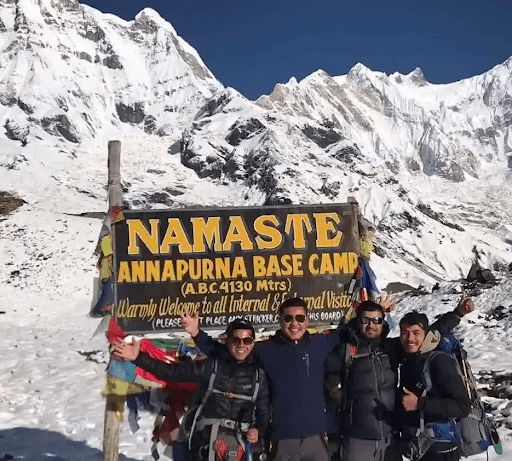
The ABC Trek Nepal, also known as the Annapurna Base Camp Trek, is one of Nepal’s most loved trekking adventures. With its stunning mountain views, traditional Gurung villages, rich biodiversity, and the spectacular amphitheatre of the Annapurna Sanctuary, it offers a life-changing experience to trekkers of all skill levels. Whether you’re a beginner trekker or a seasoned adventurer, the ABC trek blends cultural exploration with breathtaking Himalayan landscapes.
In this guide, we’ll walk you through the full Annapurna Base Camp Trek itinerary, expected Annapurna Base Camp Trek cost, and key details to help you plan your Himalayan journey with confidence.
Why Choose the ABC Trek in Nepal?
Here’s why the ABC Trek Nepal remains a favourite:
- Moderate difficulty: Suitable for most fitness levels with proper acclimatisation.
- Panoramic mountain views: Annapurna I (8,091m), Machapuchare (6,993m), Hiunchuli (6,441m), and more.
- Cultural immersion: Explore Gurung and Magar villages, local monasteries, and terraced farms.
- Natural diversity: Trek through rhododendron forests, bamboo groves, and glacier-filled valleys.
- Access and logistics: Easily reachable from Pokhara, with multiple route options.
Annapurna Base Camp Trek Itinerary (10 Days)
The Annapurna Base Camp trek Itinerary can be adjusted depending on time and interests. Below is a standard 10-day itinerary:
Day 1: Arrival in Pokhara (820m)
- Relax and prepare for the trek.
- Explore the lakeside, gear up, and meet your guide.
Day 2: Pokhara to Nayapul, trek to Ghandruk (1,940m)
- Drive to Nayapul (1.5 hours).
- Trek through forested paths to Ghandruk, a traditional Gurung village.
Day 3: Ghandruk to Chhomrong (2,170m)
- Climb through terraces and descend to the Modi Khola River before reaching Chhomrong.
Day 4: Chhomrong to Dovan (2,600m)
- A mix of ups and downs through Bamboo and Rhododendron forests.
- Overnight in Dovan, a peaceful forested area.
Day 5: Dovan to Deurali (3,200m)
- Trek higher, gaining altitude gradually.
- Amazing views of Machapuchare and cascading waterfalls.
Day 6: Deurali to Annapurna Base Camp (4,130m) via Machapuchare Base Camp
- Pass MBC and reach ABC by late afternoon.
- Enjoy panoramic views of the Annapurna range.
Day 7: ABC to Bamboo (2,310m)
- Descend the same route, retracing steps but with changing perspectives.
Day 8: Bamboo to Jhinu Danda (1,780m)
- Trek down to Jhinu Danda.
- Enjoy the natural hot springs to soothe your muscles.
Day 9: Jhinu Danda to Nayapul, drive to Pokhara
- Final stretch through beautiful terraced landscapes.
- Drive back to Pokhara and enjoy a celebratory evening.
Day 10: Departure from Pokhara
- Either head back to Kathmandu or continue your adventure in Nepal.
Annapurna Base Camp Trek Cost Breakdown (2025)
The Annapurna Base Camp Trek cost depends on your travel style—guided tour, private trek, or independent. Here’s a rough breakdown:
| Category | Estimated Cost (USD) |
| Trekking Permits (TIMS + ACAP) | $40–50 |
| Guide (per day) | $25–30 |
| Porter (optional, per day) | $20–25 |
| Accommodation (per night) | $5–10 |
| Meals (per day) | $20–30 |
| Transport (Pokhara-Nayapul round trip) | $30–50 |
| Miscellaneous (WiFi, charging, snacks) | $30–50 |
| Total (7–10 days) | $500–800 |
Luxury options, including private rooms, hot showers, and transportation upgrades, can increase the cost to above $1,000.
Best Time to Do the ABC Trek
- Spring (March–May): Warm temperatures, rhododendrons in bloom.
- Autumn (September–November): Clear skies, stable weather, excellent views.
- Winter (December–February): Fewer trekkers, snow at base camp; colder but doable with good gear.
- Monsoon (June–August): Not recommended due to heavy rains and slippery trails.
Tips for a Successful ABC Trek Nepal
- Train beforehand: Prepare your legs with cardio and hiking exercises to enhance your performance.
- Pack light but bright: Layers, rain gear, sunscreen, and altitude meds.
- Acclimatise: Take it slow, especially past Deurali.
- Drink water: Stay hydrated to help combat altitude sickness.
- Hire a guide or porter: Support the local economy and enrich your experience.
Unique Highlights of the ABC Trek
- Annapurna Sanctuary: Surrounded 360° by snowy giants.
- Natural hot springs at Jhinu Danda: The perfect spot for post-trek relaxation.
- Machapuchare views: Revered “Fishtail” mountain, unclimbed and sacred.
- Tea house experience: Cozy mountain lodges with hearty meals and local hospitality.
Conclusion
The ABC Trek Nepal is more than just a trek—it’s a journey into the heart of the Himalayas, offering incredible rewards for those willing to take the steps. With a flexible Annapurna Base Camp Trek itinerary and an affordable cost, this adventure is both accessible and unforgettable.
Whether you’re walking among rhododendron forests, sipping tea in a mountain village, or standing in awe at 4,130m in the shadow of Annapurna, every moment of this trek carves a memory that will last a lifetime.
Key Takeaways
- ABC Trek Nepal is a moderate trek suitable for both beginners and seasoned trekkers.
- The standard Annapurna Base Camp Trek itinerary spans around 10 days, covering cultural villages, forests, and snow-capped landscapes.
- The total cost of the Annapurna Base Camp tour ranges between $500 and $800, depending on your preferences.
- Best seasons: Spring and Autumn for clear skies and beautiful trekking conditions.
FAQs
1. How difficult is the Annapurna Base Camp Trek?
The ABC trek is moderately challenging, suitable for anyone with decent fitness. No climbing experience is required, and the altitude is manageable with proper pacing.
2. Can I do the trek solo?
Yes, solo trekking is possible, but hiring a guide is highly recommended for safety and cultural insights.
3. Are there ATMs or charging points on the trek?
ATMs are only in Pokhara. Charging points are available in teahouses, but a small fee may be required. Carry a power bank.
4. What permits are required for the ABC Trek?
You need the TIMS (Trekkers’ Information Management System) card and the Annapurna Conservation Area Permit (ACAP).
5. Is altitude sickness a concern on the ABC Trek?
It can be, especially after 3,000m. Take it slow, stay hydrated, and watch for any symptoms.
 Travixy